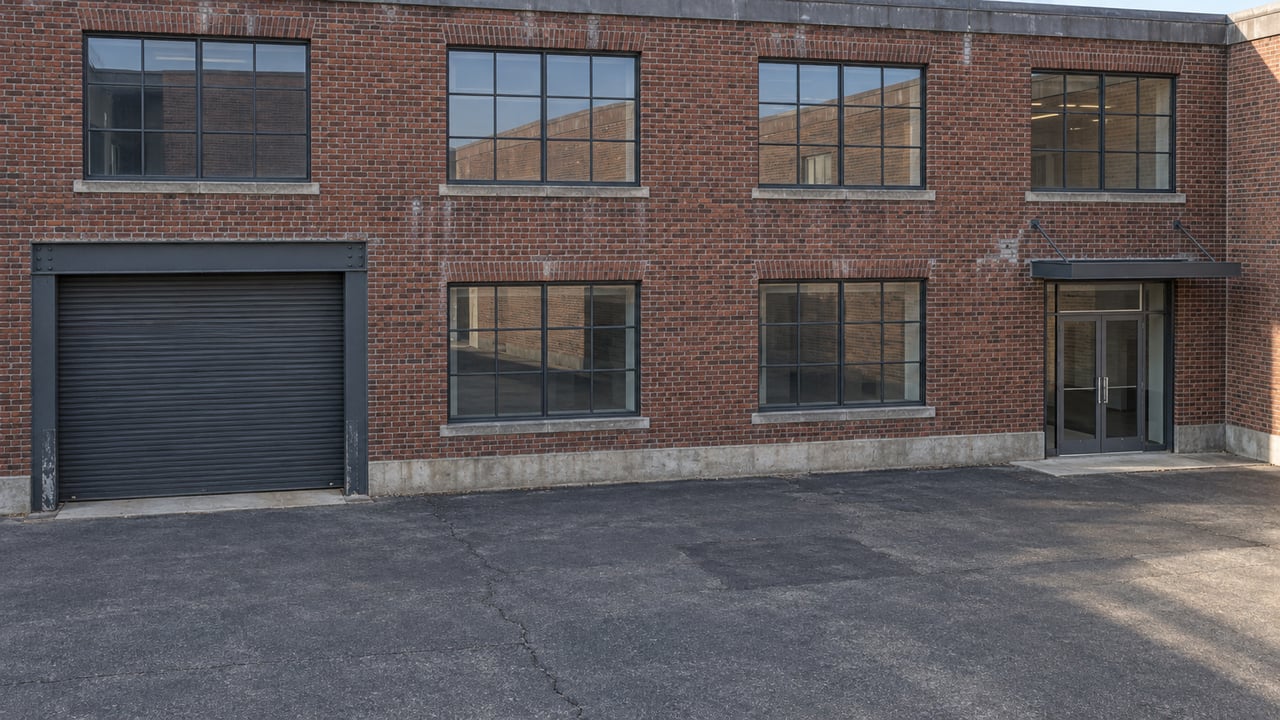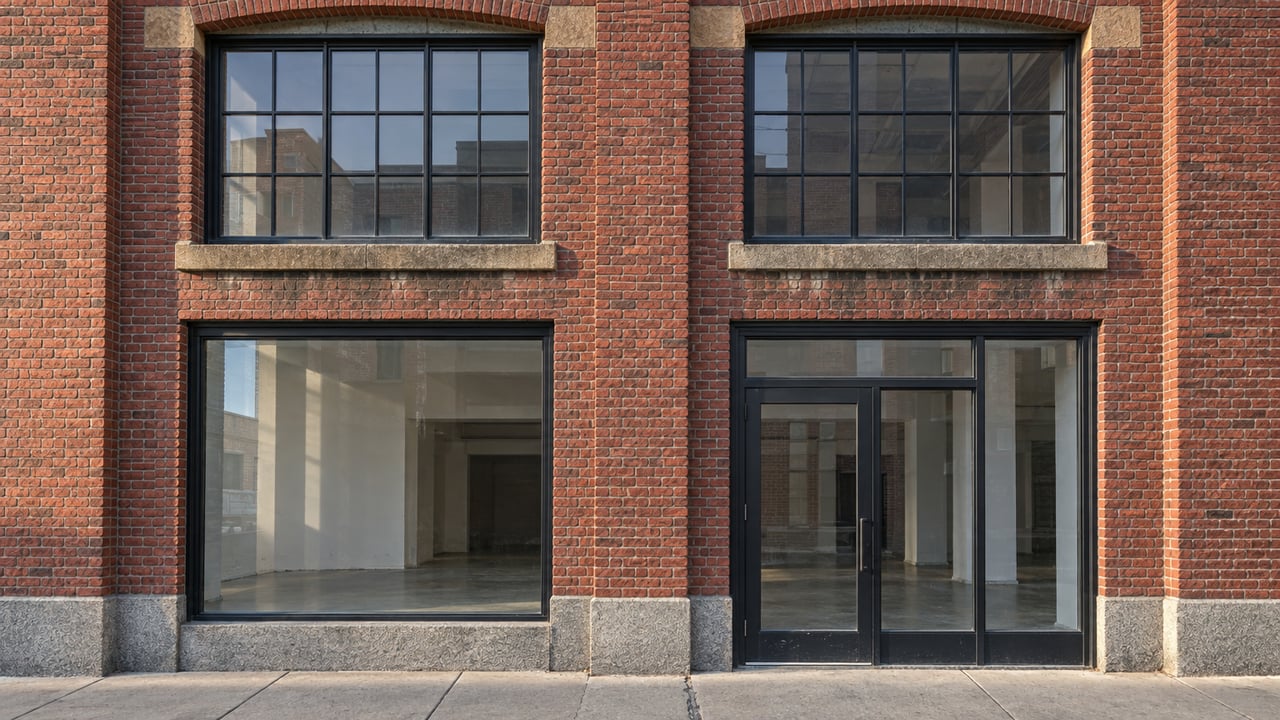
In 2023, a Japanese restaurant signed a 15-year lease for the corner space at 87 Seventh Avenue South, at Barrow Street. The Real Deal reported that the tenancy never happened because the restaurant's capital partner backed out. The 4,000-plus-square-foot space, with a second floor, private outdoor space and 170 feet of wraparound frontage, stayed vacant after its 2018 trade and hosted pop-up events, including New York Fashion Week shows.
In September 2026, Group Hospitality, which operates Boucherie, Olio e Più and Omakase Room, bought the property for $7.3 million. The asking price was $6.8 million. The group has not announced its plans for the site. A lease signed on paper fell through. A restaurant operator then paid half a million dollars over the ask to own the space outright. That sequence describes how restaurant storefronts below 14th Street are pricing this fall. Operators buying for their own groups now set the bid.
This year's purchases all came from operators
The Seventh Avenue South deal is one of several. Every buyer below runs restaurants. Only the Friedman's group has said what it will open, and the others have not announced plans.
| Property | Buyer | Price | Date | Format |
|---|---|---|---|---|
| 87 Seventh Avenue South | Group Hospitality | $7.3M | Sept. 29, 2026 | 4,000+ sf corner, vacant |
| 541–555 Amsterdam Avenue | Owners of Friedman's and Pastrami Queen | $4.1M | Sept. 9, 2026 | 5,000 sf retail co-op |
| 312–314 Bleecker Street | Entity tied to Rita Sodi and Jody Williams | $6.5M | Oct. 23, 2026 | Retail condo |
| 12 East 12th Street | Rezdôra partner David Switzer | Not reported | Signed June 2026 | Former Gotham space |
These are three different ownership structures. The Bleecker Street purchase is a retail condo, and according to The Real Deal it is the first New York City retail space the I Sodi owners have owned. The couple also runs Buvette, Bar Pisellino, Via Carota and Commerce Inn on the surrounding blocks. On the Upper West Side, the Friedman's group bought a co-op retail unit and plans another Friedman's there. Commercial Observer reported that Barney Greengrass and Hudson & Charles would stay in place. Switzer's purchases go back further. He bought Rezdôra's home at 27 East 20th Street for $7.25 million in 2018, then added 86 University Place in 2025 and the 12th Street space in June.
The common thread is control of the space, and the vehicle can be a condo, a co-op unit or a fee building.
Why the operator can pay more
For a restaurant group, owning a storefront changes the economics of the space. At 87 Seventh Avenue South there was no rent roll to value at all, and the winning bid still cleared the ask.
The Colliers broker who represented the seller at 87 Seventh Avenue South described this in The Real Deal's October report:
"Not as many investors can pay the numbers where someone would actually sell a building today. So these operators are now able to get into the real estate."
His colleague Zach Redding explained where the money comes from. West Village and SoHo restaurants are full, and "they're all doing so well that they have some excess capital."
Borough-wide transaction data shows the same pattern. An October 5, 2026 analysis of Manhattan retail sales found that owner-users have made up about 42% of deals over the past 10 quarters. Sales from one institution to another fell from 24% to 36% of dollar volume at the 2021–22 peak to between 4% and 11% since 2023. Owner-user activity held steady. What dropped out was investor-to-investor trading. The same analysis found that 73% of owner-user purchases under $10 million were outside prime retail corridors. The three priced deals in the table fall below that $10 million mark.
Kitchen-ready space is scarcer than the availability rate suggests
Manhattan retail space is already tight. The retail availability rate hit a historic low of 9.8% in Q3 2026. The average ground-floor asking rent across 12 prime corridors rose to $730 per square foot, up 2.9% from the prior quarter and 5.2% from a year earlier. A separate Q3 2026 count of 16 prime corridors found 151 available ground-floor spaces, 11% fewer than the prior quarter, with an average asking rent of $707 per square foot.
Restaurants compete for a smaller share of that space. They need venting and plumbing, so they can't take just any storefront. A restaurant-focused broker told The Real Deal in July that those spaces now draw bidding wars, and that landlords sign replacements before the current tenant has announced it is closing. Food and beverage tenants also signed the largest share of Manhattan retail deals, 39.7% year-to-date through Q3 2026. Smaller restaurant and café footprints concentrated in residential areas such as Greenwich Village.
So the asking rent in a corridor understates what an operator is paying to stay in a space already built out for food use. In Q3 2026, gross asking rents were $326 per square foot on Flatiron/Union Square West, $324 in the Meatpacking District and $409 in SoHo, with availability of 7.6%, 16.0% and 7.7% respectively.
How restaurant groups finance a purchase
Large restaurant groups have more ways to pay for a building. The Real Deal reported that brokers see restaurants using existing credit lines or borrowing against other business assets. For smaller owner-users, the federal SBA 504 program shapes what they can afford. The SBA's 504 page lists a maximum loan amount of $5.5 million and 10-, 20- and 25-year terms.
The same logic at $100 million
The pattern also appears at much larger deal sizes. In July 2026, Caprice Holdings paid $100 million for 675 Hudson Street, the five-story, 29,300-square-foot Herring Building, to house Annabel's, the London private members' club. That works out to $3,413 per square foot. The seller, Aurora Capital Associates, had bought the building for $50 million in 2023, and Commercial Observer reported $165 million in HSBC financing tied to the purchase. The plan includes dining rooms, bars and event space, and as filed in July it required Landmarks Preservation Commission approval. As with the West Village deals, a hospitality operator paid what the space was worth to its own business, and the seller captured that premium.
The Manhattan retail corridor framework we published earlier covers the leasing side. These purchases show how the sale side has changed. For the operators behind them, see our look at West Village restaurant groups that keep expanding block by block.
Tide Realty Group advises Manhattan retail owners on pricing and disposition, works with operators on purchases, and manages the space after closing. If you own a food-ready storefront or are thinking about buying one, start with a property valuation that prices it for the buyers in today's market, or talk to our landlord advisory team about which operators to approach. Rise With Us.