If you choose the right Manhattan retail corridor, your store can outperform from day one. Choose wrong, and you inherit expensive visibility issues, tough deliveries, or lease terms that crush margins. You want a practical way to compare corridors, not guesswork. In this guide, you’ll get a clear framework, a site‑tour checklist, and a decision matrix you can use to brief your leasing advisor with confidence. Let’s dive in.
Know your customer fit
Your first filter is customer composition. Corridors in Manhattan tend to skew toward either visitor-driven or resident and office-driven demand. Visitor-heavy areas like Times Square and Fifth Avenue see high volumes and seasonal swings. Neighborhood corridors in the Upper East or West Side, Greenwich Village, Flatiron, and parts of Midtown often draw steadier local and office-worker traffic.
Collect consistent demand metrics across your short list:
- Average daily pedestrian counts by hour and day of week.
- Subway entries and exits at nearby stations, plus bus routes and commuter flows.
- Residential density and daytime employment density at the block level.
Use these inputs to align your format. If you rely on repeat purchases and loyalty, a local corridor with resident and office traffic can improve predictability. If your model thrives on high ticket and halo effects, a visitor corridor might justify higher rent and broader signage.
Measure frontage and visibility
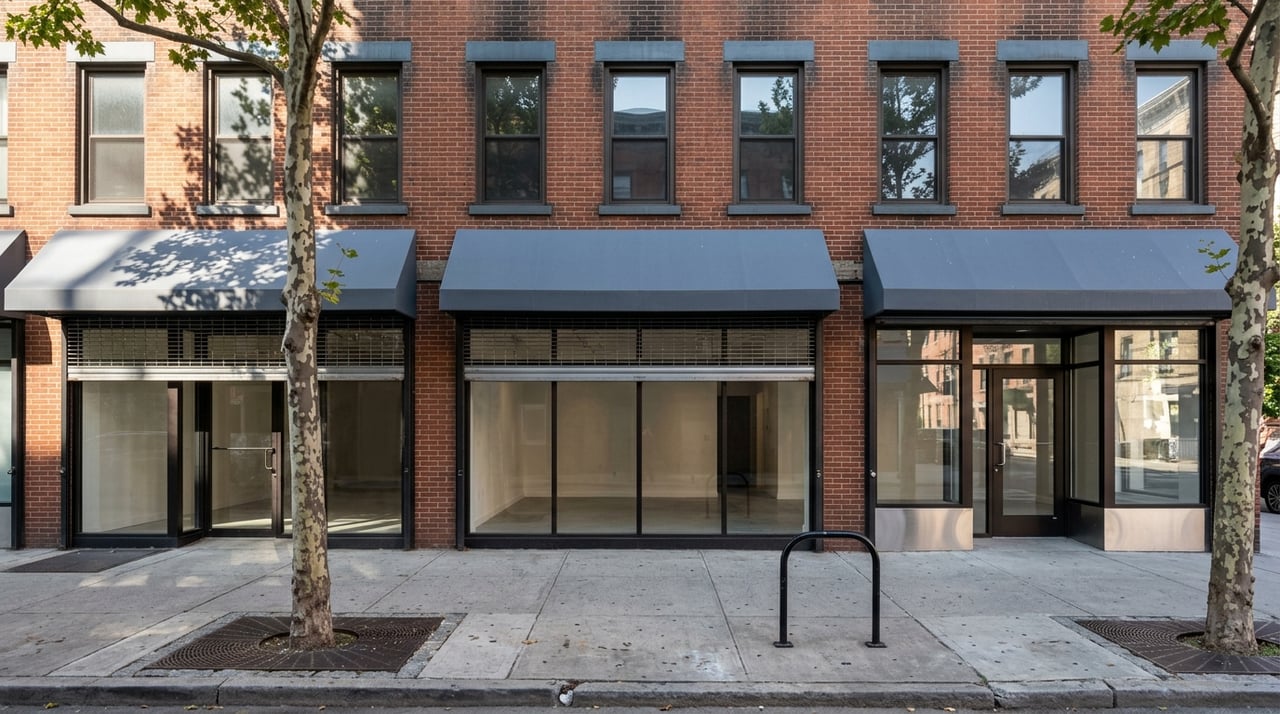
Frontage and configuration drive walk-by conversion. Treat storefront width as your principal visibility metric, then consider store depth and total rentable square feet to confirm operational fit.
What to record at each site:
- Linear frontage and storefront width in feet.
- Depth, floorplate shape, and total rentable area.
- Corner or mid-block location. Corners typically deliver 20 to 50 percent higher visibility and often carry premium rent.
- Window area, glazing quality, and sightlines from typical pedestrian flow.
- Any sightline obstructions like scaffolding, street trees, or bus shelters.
- Permanence and rights for exterior signage zones.
Operational implications matter. Frontage and ceiling height affect brand build-outs and experiential elements, especially in flagship corridors such as SoHo and Meatpacking. Depth and back-of-house capacity determine whether you can support stockroom needs, pickup counters, or multiple service points.
Evaluate co-tenancy mix
Corridor dynamics are shaped by anchors and neighbors. You want foot traffic that converts and a mix that boosts dwell time.
Focus on three checks:
- Anchor proximity. Cultural institutions, department stores, and regional draws provide baseline traffic and directional signage opportunities.
- Complementary mix. The right blend of food service, services, and experiential retailers drives cross-shopping and helps the block function as a cluster.
- Momentum and stability. Recent churn, signed leases, and planned openings tell you whether the corridor is gaining or losing tenant quality.
These findings inform negotiation strategy. Consider whether you need exclusive use, a co-tenancy clause, or a specific use definition. If a new development or anchor change is pending, build that into your risk view and lease flexibility.
Plan delivery logistics
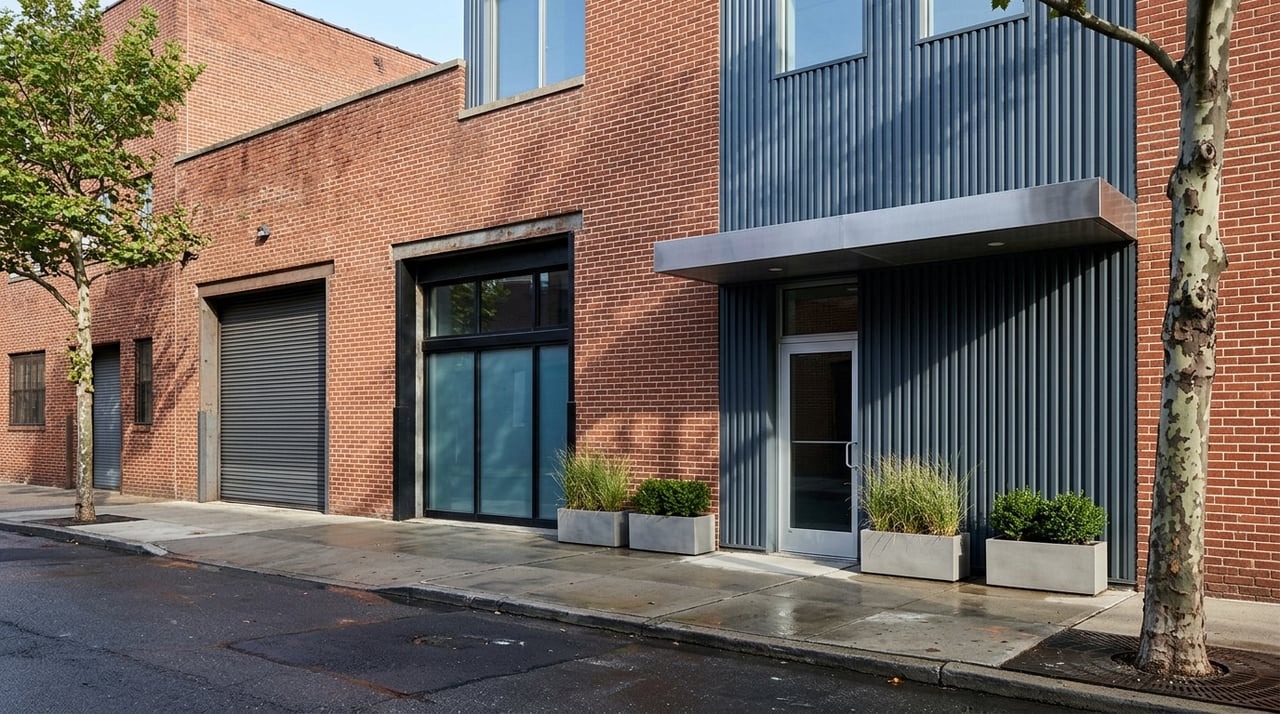
Manhattan logistics can make or break operations. Curb space is tight, delivery windows vary by block, and some buildings offer better back-of-house support.
On each candidate block, document:
- Distance to commercial loading zones and presence of any private loading bays.
- Street and curb rules, including metered restrictions and alternate-side rules.
- Building services, such as service elevators, freight capacity, and basement storage.
- Trash staging locations and pickup schedules.
If you are a food concept, confirm grease traps, hood and venting paths, and wastewater connections. Ask building management about delivery scheduling rules and any previous tenant experiences with approvals or operational constraints.
Budget TI and build-out
Tenant improvements vary widely by corridor, lease length, landlord type, and tenant credit. In flagship or long-term leases, you may achieve higher contributions. Neighborhood spaces often trade more modest allowances for rent abatements or amortized TI.
When you model cost and schedule, pin down:
- TI allowance in dollars per square foot and disbursement timing.
- Delivery condition at possession, such as cold shell or warm shell.
- Permit timelines with the Department of Buildings and whether any Landmarks Preservation Commission review applies.
- Electrical service capacity, HVAC capability, ceiling height constraints, and potential structural or abatement issues.
Build a contingency for hidden conditions, especially in older buildings. Clarify contractor requirements and inspection processes early to reduce change orders and delays.
Model lease economics
Your lease structure should align with sales volatility and corridor type. In Manhattan retail, you’ll commonly see base rent with fixed increases or CPI adjustments. Percentage rent may show up in high-volume visitor corridors.
What to capture in your model:
- Asking base rent per square foot and recent signed comps on the block.
- Effective rent after TI amortization and free rent concessions.
- Operating expense pass-throughs for taxes, insurance, and common area costs, along with any caps.
- Required term length, security deposit or letter of credit, and any guarantees.
- Build-out timing, rent commencement triggers, and delivery conditions.
Key clauses to scrutinize include use and exclusivity, assignment and sublet rights, co-tenancy and termination mechanics, and force majeure protections that reflect post-pandemic realities. Your negotiation leverage improves with stronger credit, longer term, and clear operational needs tied to measurable outcomes.
Watch market risks
Corridors that rely on daytime office workers can be sensitive to return-to-office patterns. Visitor-heavy districts are exposed to tourism cycles. Planned developments or zoning changes can shift local economics over a lease term.
Keep a running list of externalities:
- Major pipeline projects in the area that may change traffic or demographics.
- Curb policy changes that affect deliveries or outdoor operations.
- New municipal rules for signage or sidewalk uses.
Weigh these items alongside rent and TI. The right corridor today should also match your risk tolerance over the next cycle.
Use a decision matrix
To make apples-to-apples comparisons, apply weights to each category and score corridors consistently. A practical starting point:
- Frontage and visibility: 20 percent
- Foot traffic and customer fit: 25 percent
- Logistics and operations feasibility: 20 percent
- Lease economics and TI: 20 percent
- Long-term outlook and risks: 15 percent
Adjust by concept. Quick-service food should increase the weight for logistics and grease-trap feasibility. Apparel and showroom formats may lean more on frontage, sightlines, and the quality of foot traffic.
Run a site tour
A disciplined tour turns subjective impressions into objective data. Prepare, observe, and follow up with the same rigor at each site.
Pre-tour prep
- Assemble floor plans, certificate of occupancy, Department of Buildings filings, recent photos, and broker notes on use.
- Pull MTA ridership, community district demographics, open DOB permits, and block-level zoning.
- Use a standardized form with your core metrics, so every corridor is scored the same way.
On-site: exterior and curbside
- Measure frontage and confirm corner or mid-block location.
- Photograph sightlines from 50, 100, and 200 feet during peak and off-peak windows.
- Verify signage zones and any existing approvals.
- Record the nearest commercial loading zone and all parking regulation signs.
- Note scaffolding, bus stops, bike racks, sidewalk seating, and any obstructions.
- Check trash staging locations and pickup practices.
On-site: interior and building
- Verify interior dimensions, ceiling heights, columns, and floor loading.
- Inspect existing partitions, ceiling plenums, HVAC units, electric panels, water and gas connections.
- Confirm restroom access and ADA compliance for entries and clearances.
- Check basement or storage, service stair access, and freight elevator dimensions.
- Confirm electrical service capacity and metering; assess HVAC sufficiency.
- For food uses, verify hood and vent paths, grease interceptors, plumbing capacity, and fire suppression.
- Ask management about delivery scheduling and prior tenant experiences with DOB or FDNY sign-offs.
On-site: operations and neighborhood
- Observe foot traffic for 15 to 30 minutes at key times on weekdays and weekends.
- Speak with neighboring operators about customer mix, deliveries, and landlord responsiveness.
- Note transit access, last-mile delivery options, and curbside dynamics.
Post-tour follow-ups
- Request a draft lease, TI estimate, recent comparable leases, utility bills, certificate of occupancy, and building rules.
- If moving toward a letter of intent, commission technical inspections and MEP reviews tied to your use.
Build your advisor brief
A concise brief helps your leasing advisor curate the right targets quickly and negotiate from a position of clarity. Include:
- P&L targets, such as rent as a percent of projected sales and sales per square foot goals.
- Store format and footprint ranges, including minimum and maximum frontage, depth, and ceiling heights.
- Delivery profile, vehicle sizes, and preferred delivery windows.
- TI expectations, preferred lease term, and concession structure.
- Preferred neighborhoods and corridors, plus clear exclusions.
- Timing for rollout and opening windows.
- Any essential use restrictions or exclusivity needs.
This document aligns your site list with your economics and operations, then shortens time from tour to LOI.
Put it all together
Your corridor choice should map cleanly from customer fit, to store visibility, to logistics, to lease structure. Score each corridor using the same metrics and weights. Confirm that TI and building services support your concept. Map the lease to your risk profile with clear delivery conditions, rent commencement triggers, and audit rights.
When you are ready to act, partner with a team that can carry the plan from analytics to execution. As a vertically integrated operator-advisor, Tide Realty Group sources opportunities, structures capital, coordinates build-outs, and manages assets through stabilization so your corridor decision performs the way it was underwritten.
FAQs
What metrics should I collect when comparing Manhattan retail corridors?
- Track frontage and floorplate, daily pedestrian counts, nearby transit entries and exits, loading zone proximity, TI allowances, and full lease economics.
How do corner locations affect visibility and rent in Manhattan?
- Corners often deliver 20 to 50 percent higher visibility, which can support sales, and they typically command a rent premium.
What should food concepts verify before leasing a Manhattan space?
- Confirm grease traps, hood and venting paths to the roof, wastewater connections, electrical and HVAC capacity, and Department of Buildings and Fire Department requirements.
How can I estimate effective rent beyond the asking rate?
- Amortize landlord TI and free rent over the term, add operating expense pass-throughs, and compare the total to projected sales to test your P&L thresholds.
Which risks should I weigh for office- or tourist-led corridors?
- Office-led corridors depend on daytime worker patterns, while tourist-led areas vary with travel demand and seasonality; both require lease flexibility and clear exit options.