In October 2025, San Francisco cleared office use for 518,242 gross square feet across four Mission Bay lab buildings. The approval required no new construction. Why, then, did the neighborhood's largest office tenant spend 2026 taking space other companies no longer wanted?
In September 2026 the San Francisco Chronicle reported that OpenAI was close to subleasing about 100,000 square feet at 500 Terry A. Francois Blvd. A source with insight into the company's real estate strategy said OpenAI was settling for a sublease because there is "no more space to lease anywhere else" in the neighborhood, at least not at the scale it needs near its campus. The approval shows there is space. The sublease shows that the space is not ready on the timeline tenants work to. For investors and occupiers comparing Mission Bay with other San Francisco submarkets, that gap matters more than any vacancy rate.
An office allocation on paper is not a floor plate a tenant can move into
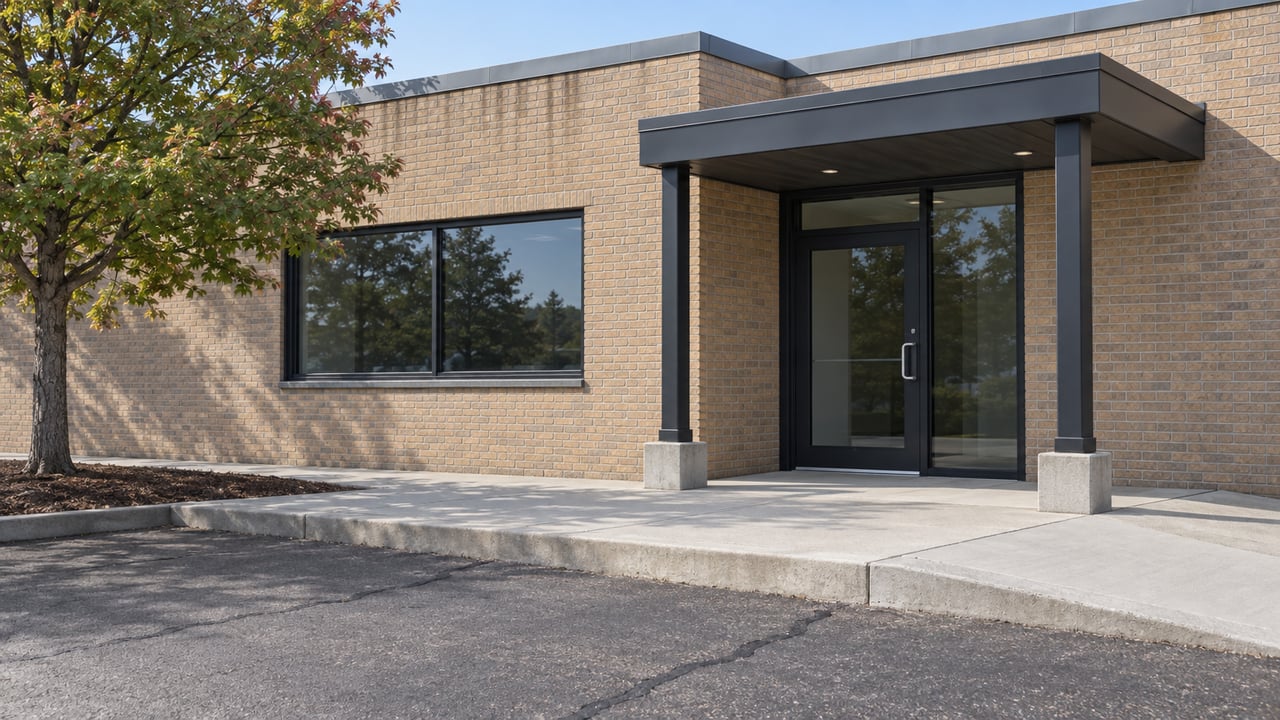
Alexandria Real Estate Equities brought the request to the Planning Commission on October 23, 2025, as case 2008.0850B-02. It covered 455 Mission Bay Boulevard South and 1450, 1500 and 1700 Owens Street, inside the Alexandria Mission Bay Life Sciences and Technology Development District. According to the hearing agenda, the 518,242 gross square feet would come out of the city's Office Development Annual Limit, with "no new construction" proposed. The Planning Department's office allocation tracker now counts the Alexandria District's full 518,242 square feet against the 2025–2026 approval period.
Here is how those buildings have actually been used since the approval:
- 455 Mission Bay Blvd. OpenAI looked at this former biotech building and, per the Chronicle, "ultimately did not move forward with that deal."
- 1450 Owens St. The building went to lab users. In March 2026, Gladstone Institutes announced a lease of more than 105,000 square feet for laboratories, with an option to buy, and expects to open the space in early 2027. Alexandria's Q2 2026 supplemental lists the 212,657 RSF building as 51% leased or under negotiation as of June 30, 2026, with stabilization targeted for 2027.
The approval lets these buildings be leased as office. It does not shorten build-out, and it does not change the economics for the owner, which in this case is a joint venture. Alexandria's June 30, 2026 filing shows a 25% ownership interest in the Mission Bay Center that holds all four addresses. Any office lease in these buildings needs a partnership decision about capex.
Speed is what AI tenants are paying for
The Chronicle's September reporting describes the pattern plainly. Fast-growing AI startups need space right away, so they use short-term leases and subleases to cover the gap. Cognition took over a former Cruise building in SoMa on a five-year term. Anthropic started by leasing space from Slack and later converted that into a long-term lease.
OpenAI's Mission Bay record shows how much the company has grown through other tenants' leases:
- 2023: Two newly built buildings at Uber's Third Street campus, 486,000 square feet, the largest office lease recorded in San Francisco since 2018.
- 2024: All 315,000 square feet of 550 Terry A. Francois Blvd., a lease taken over from Gap.
- February 2026: A sublease of about 280,000 square feet at 1800 Owens St., known as The Exchange, the former Dropbox headquarters.
- Pending as of September 2026: About 100,000 square feet at 500 Terry A. Francois Blvd., roughly one-third of the building, subleased from Cisco.
After the 1800 Owens deal, OpenAI's San Francisco footprint passed 1 million square feet, all of it in Mission Bay. If the 500 Terry A. Francois deal closes, the total goes above 1.1 million. Treat that deal as unsigned. The Chronicle described the company as "on the verge," while the San Francisco Business Times called the talks early-stage discussions for two floors.
A sublease gives a tenant built space with a short commitment. A converted lab floor gives a tenant a long lease after a build-out. When headcount is growing faster than a construction schedule, the first option usually wins, even when the second building sits half a mile away.
The expiration dates built into Mission Bay's tightest space
A sublease can't run longer than the master lease above it. So each AI sublease in Mission Bay also tells you when that space next comes up for a decision.
| Address | Owner / master tenant | Subtenant and size | Term information in the public record |
|---|---|---|---|
| 1800 Owens St. (The Exchange) | Dropbox, which plans to fully vacate | OpenAI, ~280,000 sq ft | Three-year term signed February 2026, four-year renewal option |
| 1800 Owens St. | Dropbox | BridgeBio Pharma, 95,485 sq ft | Completed sublease reported April 2026 |
| 500 Terry A. Francois Blvd. | Sobrato Organization / Cisco, 247,000 sq ft | OpenAI, ~100,000 sq ft, pending | Cisco has about four years left on its renewed lease |
At 1800 Owens, a 750,000-square-foot complex that Dropbox once filled alone, one master tenant is passing its space to a lab user and an AI company. The Registry's report on BridgeBio described the building as the former Dropbox headquarters. If OpenAI's initial term started when it signed, the first renewal decision falls around early 2029. At 500 Terry A. Francois, Sobrato keeps collecting Cisco's rent. A new occupant inside that rent doesn't give Sobrato a chance to reprice until Cisco's term runs out. Elsewhere in the city, Anthropic shows that a sublease can turn into a long-term direct lease. That conversion is a negotiation, though, not a sure thing.
So in Mission Bay's most active space, today's occupancy and the landlord's long-term income are separate questions. Leasing velocity can look strong while the direct-lease commitments that support valuations are still years away.
What a landlord gives up to sign an AI tenant
This trade-off came up directly on Alexandria's Q2 2026 earnings call on August 4. Chairman Joel Marcus said many of the company's advanced-technology tenants "are not traditional kind of AI office kind of tenants," but users "looking for critical infrastructure." He said lease rates depend on how much each side puts into that infrastructure, and that well-funded tenants often want to spend their own money. CFO Marc Binda said incremental yields are generally about the same as lab, but "the all-in yields can be lower." He framed these leases as a way to monetize assets with better visibility into cash flow.
That explains why the allocation hasn't produced a wave of office signings. The owner of a building designed for lab rents is weighing lower capex against a lower all-in return. The tenant, if it is putting serious money into its own build-out, is looking for a fast start. At 1450 Owens, a lab user with a purchase option filled the first half. Across the eight-property Mission Bay megacampus, Alexandria reported 90% occupancy as of June 30, 2026. The open space sits in a few buildings, and the owner can be selective about who takes it.
Lab users are not the competition for this space. Across the Bay Area, life-science vacancy was 29.0% at the end of Q2 2026, according to Cushman & Wakefield. No brokerage publishes a Mission Bay-only lab vacancy series. Alexandria is scheduled to report Q3 results after market close on October 26, 2026. That release will be the next public update on how much of 1450 Owens is spoken for.
The submarket figures, read against those expiration dates
As of Q3 2026, brokerage research puts availability in the combined Mission Bay/Showplace Square office submarket at 19.2%, the lowest of any San Francisco submarket listed and well below the 27.2% citywide rate. Average asking rent in the same submarket is $68.17 per square foot, below the citywide average of $70.31. Low availability with below-average asking rents fits a market where much of the demand is landing in sublease and takeover deals rather than new direct leases at top-of-market rates.
The direct-lease pipeline isn't speeding up either. Mission Rock, at the north end of the neighborhood, filled its first phase with Visa, the Golden State Warriors, Capgemini, Coinbase and Nvidia. The Port of San Francisco approved up to $10 million in predevelopment funding for the next phase, which could include more office space, but the San Francisco Giants and Tishman Speyer say timing depends on the market. Over the next few years, new direct office supply in Mission Bay is more likely to come from master-lease expirations and lab conversions than from new buildings.
What to check before pricing or leasing in Mission Bay
- When the master lease expires. For any occupied building, find the end date of the master tenant's term, not just the subtenant's. That date is when the owner can reprice.
- Whether the subtenant has conversion rights. A three-year sublease with a renewal option, like the 1800 Owens deal, is a different credit exposure from a direct lease. Find out whether the subtenant has any path to a direct lease with the owner.
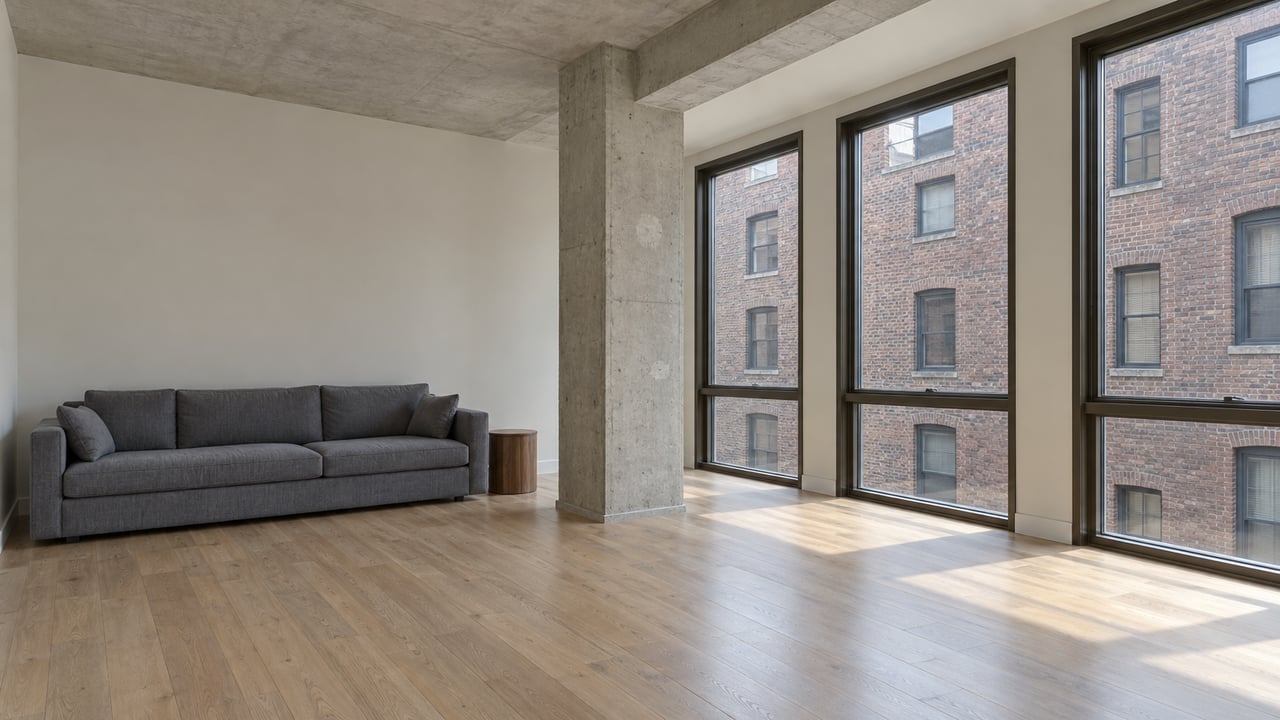
- Allocation versus readiness. An office allocation, like the 518,242 square feet at the Alexandria District, is a land-use entitlement. Confirm permit status and estimate build-out time for the specific floor.
- Who funds the infrastructure. By Alexandria's own description, tenant-funded infrastructure can mean lower rent with lower landlord capex. Model both sides of that trade.
- Which buildings carry the vacancy. A 90% occupied campus can still have a half-leased building. Underwrite the building, not the campus average.
FAQ
Is Mission Bay office space actually scarce? For a large block near existing AI campuses, current reporting says yes. Q3 2026 availability in Mission Bay/Showplace Square was 19.2%, compared with 27.2% citywide, and OpenAI has turned to subleases at that scale.
Can lab buildings in Mission Bay be leased as office? Four Alexandria buildings now have a 518,242-gross-square-foot office allocation from the city's annual limit, with no new construction proposed. Whether a particular floor can be occupied as office depends on permits and build-out.
Is OpenAI's 500 Terry A. Francois deal signed? Not as of the latest reporting. In September 2026 the Chronicle called it pending, and the Business Times described early talks for two floors.
In Mission Bay, an owner's income depends on master-lease dates, sublease terms and who pays for infrastructure, and the headline vacancy rate reflects none of those. Tide Realty Group underwrites those details for investors, landlords and occupiers, from the lease abstract through the capex model. Rise With Us.
This article is general information, not legal, tax or financial advice. Consult a qualified professional about your situation.