If you want Midtown access without Midtown costs, Long Island City deserves a close look. You get strong transit, a wide mix of buildings, and more flexibility on price and layout than many Manhattan options. In this guide, you’ll learn how LIC’s office market works right now, what buildings to target, how to think about transit and workforce, and the key lease and build-out items to budget. Let’s dive in.
Why LIC works for office tenants
LIC gives you leverage. A sizable share of space is available in the core, which opens the door to competitive deals if you are willing to trade Manhattan prestige for value. Local reporting places LIC’s built office supply near 13 million square feet with a large chunk on the market, especially around Court Square and Queens Plaza, creating room to negotiate on rent and concessions. See the neighborhood snapshot and vacancy commentary in recent coverage from Queens press for context on these trends (local reporting on availability).
You also benefit from a clear rent gap with Manhattan. In recent reporting, central Manhattan averages often sit well above the Queens market, while LIC and Central Queens samples have shown materially lower figures. For directional context, see recent Midtown headlines and averages in broker materials (Manhattan leasing summary). Always confirm current asks and comps for your exact block.
Market snapshot: availability, pricing, pipeline
Availability and tenant leverage
A combination of older towers and newer product has created uneven demand in the core CBD. Certain Class A pockets around Court Square and Queens Plaza have reported elevated vacancy at times, which can translate to stronger concession packages for tenants. Expect a split market: premium demand for the best buildings, slower leasing in older A and B stock. You can use this to your advantage in negotiations, but diligence on building quality and landlord capital plans still matters (LIC vacancy context).
Rents versus Manhattan
Directionally, LIC asking rents tend to trail Midtown’s trophy averages. Many Manhattan gateway averages have trended north of the 70 to 80 dollars per square foot range in recent reports, while Central Queens samples have shown lower headline numbers in various appraisals and listings. These relationships shift with each quarter, so get recent comps and model effective rent after concessions and tenant improvements (Midtown market overview).
What the OneLIC plan means
Public planning for the OneLIC neighborhood framework points to more homes and added commercial and industrial capacity over time. For you, that means more construction activity in select corridors, a growing resident workforce within walking distance, and a gradual change in retail and services as density builds out. If your timeline runs long, track these changes block by block as you plan headcount and amenities for staff (OneLIC plan background).
Building types and where to look
Class A towers in the core
The neighborhood’s identity has long included large towers with big floorplates. One Court Square, the 50-story landmark of the district, is a useful reference point for the type of corporate-scale product you can find in the core (One Court Square basics). Expect large, contiguous floors and recent repositioning efforts in some buildings. Vet amenity packages, elevator service, and HVAC.
Midrise blocks and institutional users
You’ll also find midrise, multi-tenant buildings and municipal-owned blocks along Queens Plaza and nearby corridors. These often deliver efficient floorplates at lower headline rents than comparable Midtown options, and they appeal to media firms, corporate HQ functions, and public agencies. Ask for stacking plans, existing build-out specs, and operating histories so you can budget for upgrades and confirm long-term comfort and performance.
Adaptive-reuse lofts and creative space
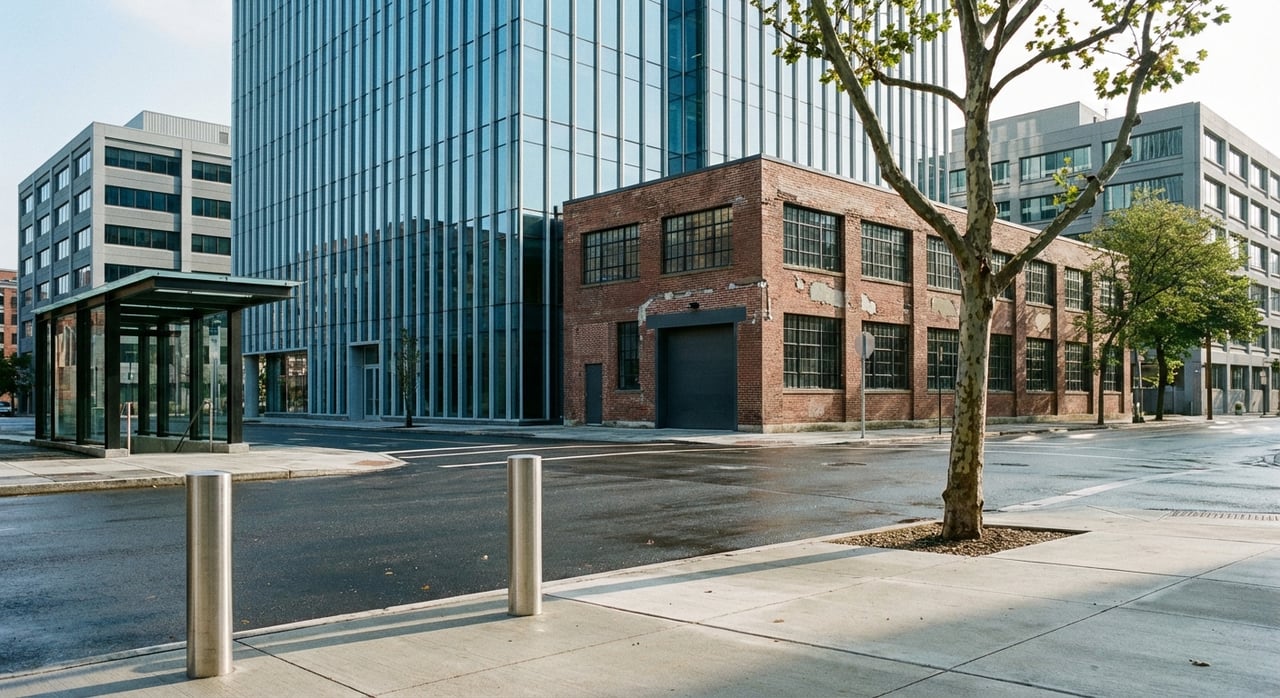
Former industrial buildings that have been converted to office provide character and flexibility. Creative agencies and small tech teams value the higher clear heights, open layouts, and cost profile. Building infrastructure varies widely. Confirm HVAC tonnage, power capacity, elevator loading, and freight access early, especially if your use is equipment heavy (adaptive-reuse context).
Emerging lab and life science options
Select former industrial properties are being repositioned into lab-capable buildings. A recent conversion example in LIC shows the direction of travel for this niche. If labs are on your roadmap, engage mechanical and code due diligence early to confirm ceiling heights, outside air requirements, wet-waste handling, exhaust, and floor loading. Lab-ready space exists, but it is selective and technical upgrades can drive timelines and cost (LIC lab conversion example).
Microneighborhoods at a glance
Court Square and Queens Plaza
This is the core office CBD with the densest inventory and the strongest transit transfers. It is also where vacancy has been most pronounced at times, which can improve your negotiating position. Larger tenants that need big blocks tend to start here for proximity to the E, M, G, and 7 trains (CBD context).
Hunters Point and the waterfront
Hunters Point and Hunters Point South blend residential towers, parks, and expanding amenities. The waterfront parks and growing resident base can support recruiting and retention. Trophy office is less concentrated here, so expect a mix of smaller footprints and boutique options supported by ferry service and multiple 7 train stops nearby.
Dutch Kills, 21st Street, Jackson Avenue
These corridors mix light industrial, creative office, and some spec product. If you need flexible footprints, easier access to freight, or a potential lab conversion, include these blocks in your search. Infrastructure and floorplates can be more accommodating to specialized uses than in tower stock (industrial and creative mix).
Transit and access
Subway, LIRR, and ferry
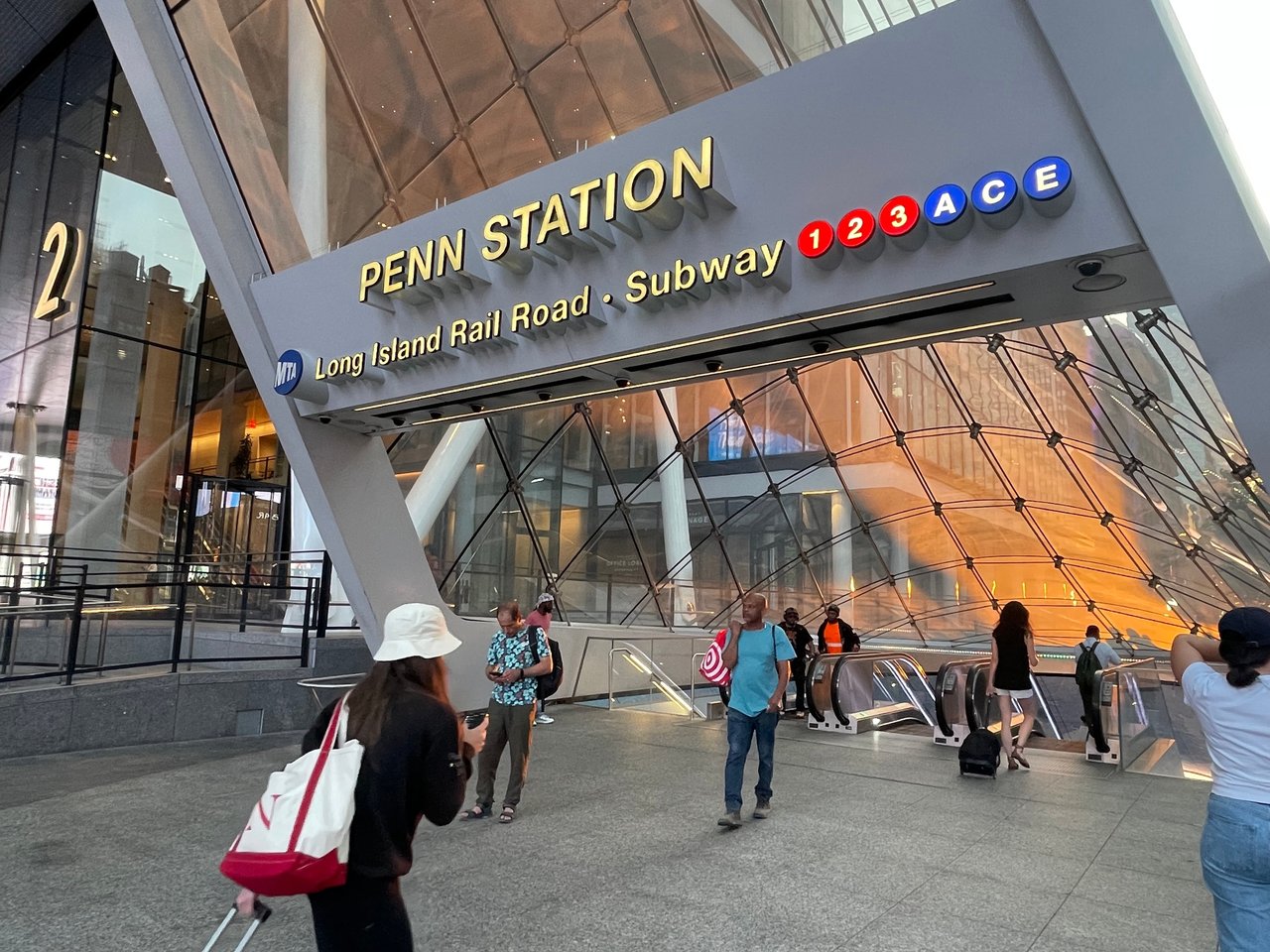
Transit is LIC’s headline advantage. Court Square and adjacent stops connect you to the E, M, and G lines, with 7 train access across multiple neighborhood stations. The Long Island Rail Road serves nearby terminals, and NYC Ferry links the waterfront to Manhattan and Brooklyn. This multi-modal mix lets you tap Manhattan labor within a short ride and also reach Queens and Brooklyn talent with shorter commutes. When you model your site, check rush-hour capacity and first or last mile walk times for staff (MTA neighborhood guide).
Driving and freight access
LIC is near the Queensboro Bridge and major expressways like the BQE and the Long Island Expressway. That helps with back-of-house functions and light logistics, but plan for congestion and limited on-site parking in many office buildings.
Leasing basics and costs to plan
Common lease structures
Multi-tenant office deals in LIC are often quoted as full-service or modified gross with an expense stop or base-year. Single-tenant or industrial units may be NNN. Clarify what the base rent includes and how taxes, insurance, utilities, and common area maintenance reconcile over time. A quick primer on how these leases work can save you from surprise costs later (lease type overview).
Tenant improvements and concessions
TI and free rent vary by building quality, lease length, and market timing. Second-generation space in LIC may need lighter work, while older towers or conversions can require HVAC or electrical upgrades. Landlords often amortize larger TI allowances into rent, so compare the economics of landlord-funded TI versus paying cash up front. Public landlord filings and deal summaries illustrate how these allowances and amortizations flow through the rent stack (example deal economics).
Subleases and flexibility
LIC often has meaningful sublease availability. Subleases can lower effective costs and speed occupancy if the existing build-out fits your needs. On the other hand, a deep sublease pool is a reminder to negotiate protections in a direct deal: clear TI timelines, escrow for critical work, rights to audit operating expenses, and, where possible, caps on pass-through increases.
Is LIC a fit for your team?
Pros
- Lower rents vs Manhattan trophy product on a directional basis, which can free up capital for growth or build-out (Midtown market overview).
- Flexible floorplates across towers, midrise, and loft conversions that suit creative, media, and tech operations (adaptive-reuse context).
- Superior transit connectivity to Midtown and outer-borough labor via subways, LIRR, and ferry (MTA neighborhood guide).
- Growing residential base and amenities that support recruiting, with policy momentum for more housing and commercial capacity over time (policy direction).
Risks to watch
- Older stock and high-vacancy pockets in parts of the core mean some buildings need heavy landlord capital to meet modern expectations for amenities and systems (LIC vacancy context).
- Construction and rezoning timelines can disrupt certain blocks. Factor staging, noise, and access into your site selection and move-in plan (OneLIC plan background).
- Lab and high-power uses may face longer, costlier upgrades than in purpose-built parks. Engage technical due diligence early (LIC lab conversion example).
Step-by-step checklist for an LIC search
- Confirm current asking and effective rents for your short list. Include TI amortization and free rent in the math. Get recent comps by building and block.
- Request the landlord’s operating expense history and a sample reconciliation for the last three years. Check how taxes, insurance, and utilities have trended.
- Run a technical pre-check: HVAC capacity, electrical service, floor loading, clear heights, elevator wait times, and riser locations. For labs or heavy IT, secure MEP drawings early (lab-readiness considerations).
- Model commute times for core employee ZIP codes. Include peak-direction crowding and first or last mile paths to the building (transit overview).
- Align lease type with your operations. Clarify inclusions in full-service or modified gross deals, and how NNN responsibilities would flow through your P&L (lease type overview).
- Negotiate protections that matter: TI delivery timelines, free rent tied to acceptance, audit rights for OPEX, clear assignment and sublease consent, and caps on expense pass-through increases where possible.
- Pressure-test landlord capability. In buildings needing upgrades, ask for evidence of capital plans, timelines, and, where appropriate, escrow for critical work.
Ready to map options, run the numbers, and coordinate the process end to end? Partner with Tide Realty Group for tenant site selection, negotiation strategy, build-out planning, and coordinated execution across brokerage, construction, and property operations.
FAQs
How do LIC office rents compare to Midtown Manhattan in 2026?
- Directionally lower. Recent Midtown averages often exceed LIC and Central Queens levels. Start with Midtown headlines for context, then pull current LIC comps to model your effective rent (market overview).
What are the best transit options for employees commuting to LIC?
- Court Square and nearby stations connect the E, M, G, and 7 lines, with multiple 7 stops through LIC, plus LIRR and ferry service on the waterfront, giving wide coverage for Manhattan, Queens, and Brooklyn commutes (transit guide).
Where in LIC can I find large contiguous office floors?
- Start in the Court Square and Queens Plaza core, where the densest Class A inventory sits; buildings like One Court Square show the scale available in the district’s tower stock (One Court Square).
Can I find lab-ready space in LIC or will I need a conversion?
- Select lab-capable conversions exist, but inventory is limited and technical needs vary; plan early MEP due diligence and budget for upgrades if you target an adaptive reuse (lab example).
What lease structures are most common in LIC office buildings?
- Multi-tenant spaces often use full-service or modified gross with an expense stop or base year, while single-tenant or industrial suites may be NNN; confirm inclusions and escalation mechanics before you sign (lease primer).